









Senderismo en Laoshan: senderos frente a teleféricos y la ascensión a la cima del Jufeng
Boot-report from the mountain: the Jufeng forest climb, the Yangkou cliff paths and Mitian Cave, the Beijiushui valley walk — and when the cableway earns its fare.
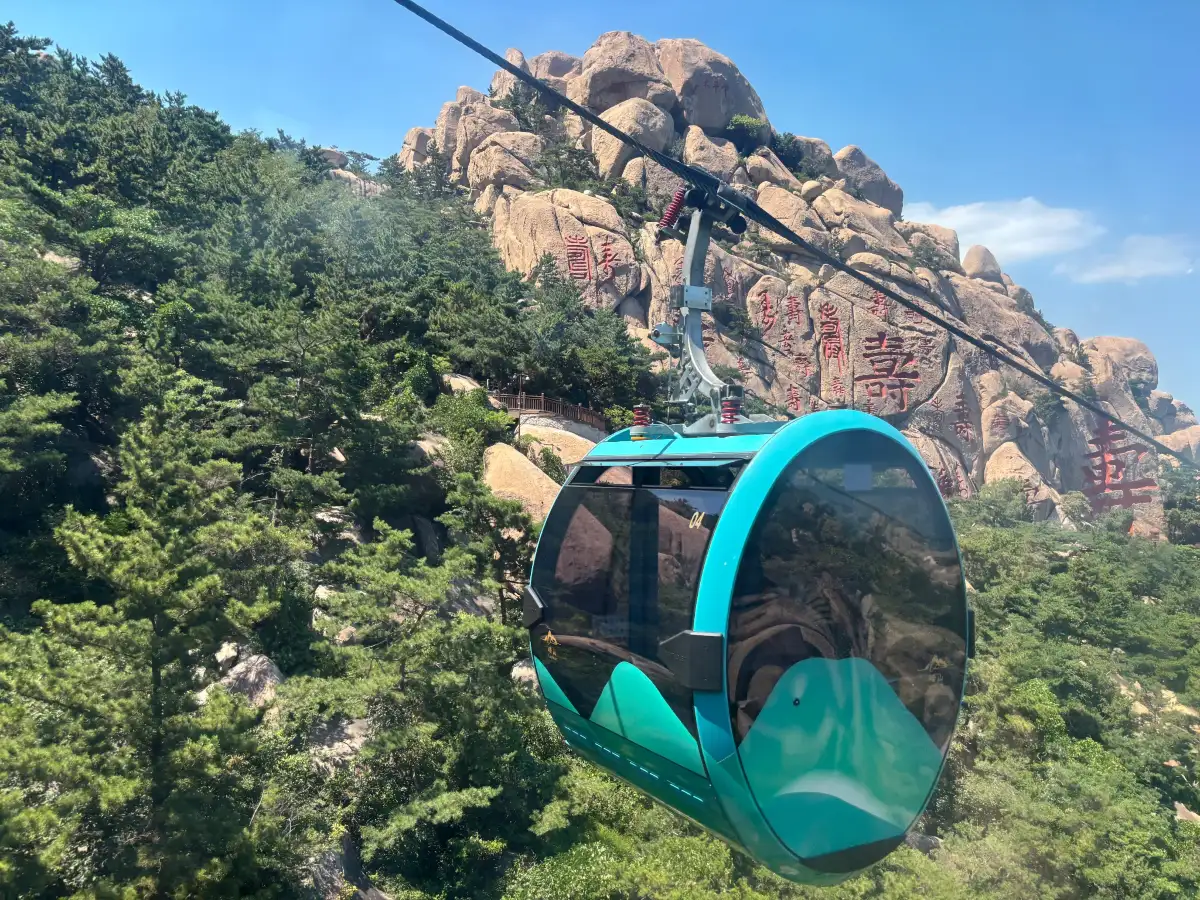
Half the reviews that make Laoshan memorable are about legs. One traveler skipped the cable car on purpose and called the forest climb “much more rewarding”; another counted the stairs — “walk, walk and again walk, including lots of stairs up and down” — and advised water and comfort shoes like gospel. Both are right. This guide is the honest leg-report: which routes you can really hike, where cableways earn their fare, what the Jufeng summit push feels like, and how to pack for a mountain that measures its paths in stone steps.
Key takeaways
- Every zone works on foot — cableways are conveniences, not the only way up.
- Jufeng is the big hike: forest paths, granite steps and a summit loop at 1,132.7 m — separate ticket zone.
- Beijiushui is the walk for non-hikers: gentle valley paths, pools, shade, picnic rocks.
- The compromise: cableway up, walk down — half the queue, all the views.
- Pack: real shoes, 1.5 L water each, snacks, sun layer, phone flashlight for Mitian Cave.
Quick answer: fit and time-rich? Hike Jufeng (own ticket) and walk the coast. Everyone else: ride the Yangkou cableway (US$5.25 one way) and save your stairs for Beijiushui. Tickets on Trip.com.
1. Cable car or boots: the honest answer
Laoshan’s cableways are good — smooth, scenic and cheap relative to the views. But the mountain’s soul lives on its paths: pine-shaded staircases, bridges over streams, granite balconies that no window shares. The honest framework from a dozen visits: ride the cableway when it saves a boring section (the lower Yangkou climb), walk when the path is the destination (Beijiushui’s whole valley, Jufeng’s forest ascent). One Trip.com hiker put the summit case perfectly: the trail “turns Laoshan from a sightseeing stop into a proper mountain adventure.” Another, with equal honesty, recommended the chairlift after a long morning — both reviews are true on different days.
2. Hiking Jufeng: the summit climb
The summit zone is a separate ticket with its own entrance and sightseeing bus; once inside, choose your machine-to-boot ratio. The forest paths wind up through pines and granite slabs — expect a couple of hours of steady climbing to the summit loop at 1,132.7 m, longer if you photograph every inscribed boulder, which you will. The payoff scales with effort: on clear days the coastline bends around Qingdao’s towers; after humid nights the cloud sea rolls below the walkways. The descent lands differently on the knees than the climb — poles are not a luxury here.
- Start with the first buses — the zone opens at 7:00 and afternoon build-up on the loop is real.
- Count on 4–6 hours door-to-door for the full climb-and-loop; cableway up cuts 90 minutes or so.
- Weather is the referee — wind closes the gondola, mist erases the view; the hotline (+86-532-96616) knows before the apps do.
- The loop is one-way-ish: follow the signage, not your intuition, at the boulder junctions.
From our visit: we timed the boot-route up Jufeng on a September weekday — forest shade the whole first hour, cicadas loud enough to hear over your heartbeat, and then the moment the trees quit and the granite balconies began. Two of us took the gondola down and swore it felt like cheating; the third walked and arrived grinning like a philosophy professor. All three positions are defensible.
3. Yangkou on foot: cliff paths & the cave
Yangkou rewards both parties. The cableway (US$5.25 one way) floats over the turquoise bay to the upper station; walkers instead take the stepped path through pine shade and arrive with equal views and stronger calves. Either way, the ridge balcony paths deliver the mountain’s best sea-to-granite ratio, with the giant red Longevity character looming beside the trail. The optional finale is Mitian Cave — a natural granite chimney you climb through darkness by phone-light, emerging onto a rock balcony above the bay. It is the most memorable twenty minutes on the mountain, provided tight, dark, slanted passages are your idea of a good time.
Cave rules: bring a real flashlight or a charged phone, mind the low slabs, and go early — the cave bottlenecks mid-morning. If the squeeze stops being fun, the exit behind you works both ways.
4. Beijiushui: the valley walk
The non-hiker’s hike and the hiker’s rest day: a valley path stitches eighteen named pools together under broadleaf shade, crossing the stream on stone bridges and pausing wherever a cascade argues for it. The gradient is gentle, the exits are frequent, and the picnic rocks are practically reserved seating. After rain the whole valley performs; in drought weeks it whispers. Families make it halfway with toddlers; trail runners lap it. If someone in your group “does not hike”, this is the route that changes their mind.
5. The pack list that reviewers keep reinventing
- Real walking shoes — the single most repeated advice in the reviews; the stairs are endless and occasionally slick.
- Water (1.5 L each) and snacks — stalls thin out past the gates; reviewers who skipped this rationed candy on the descent.
- Sun protection — the coastal sections have almost no shade; the valleys have plenty, plan for both.
- Phone flashlight — for Mitian Cave, and for any walkway that outlasts the light in winter.
- A light layer — the summit runs noticeably cooler and windier than the bay, whatever the season.
- Some cash or working mobile payment — village lunches, tea stalls and parking remain cash-friendly places.
6. Safety, weather & turning around
Laoshan is a friendly mountain with serious edges: wet stone is slick stone, railings end where the views begin, and afternoon thunderstorms build fast in summer. The rules that matter: check cableway status when wind picks up, stay on the maintained paths (the wild cats own the shortcuts), start descents with daylight to spare — final admission is 16:30, but the paths empty earlier — and treat turnaround time as a schedule item, not a mood. The scenic area’s staff and hotline respond quickly; the mountain has been hosting pilgrims for two millennia and it shows in the infrastructure.
Rain bonus: drizzle upgrades Beijiushui from lovely to loud — the pools and cascades wake up. Just save the polished granite steps for the umbrella-and-tea pauses; wet stone near the falls is the one place patience beats progress.
Frequently asked questions
Is the Jufeng hike hard?
It is a steady, sustained climb with stone steps — “tiring, particularly on the steeper sections”, as one hiker put it, “but the sense of achievement at the top makes it worthwhile”. Moderate fitness suffices; knees and time decide the cableway question.
Can I walk up and take the cable car down (or vice versa)?
Yes — that is the classic compromise. Buy the one-way ride (Yangkou US$5.25) and mix. Note the cableways stop in wind, so your walk-down plan should be a real plan, not a backup.
Are the trails signed in English?
Main junctions carry bilingual signage and the summits are unmissable; smaller path forks lean Chinese. A maps app with offline area downloaded resolves 95% of hesitation.
Is Beijiushui really a “hike”?
It is a walk — gentle, shaded and broken by bridges and pools. Treat it as the recovery-day route or the family option, not a summit training run.
What about the wild cats?
Yes, Laoshan hosts a famous population of semi-wild cats — one reviewer counted them a highlight (“they weren’t aggressive”). They keep their distance; admire, photograph, do not feed.
Book the legs-friendly ticket
However you climb — the ticket scans the same
E-tickets from $13.50, cableway add-ons in the same checkout, free cancellation on most dates.
Point the legs somewhere: the Guía para visitantes for zones, itineraries for the plan, highlights for the targets, best time for the weather, and getting there for the morning logistics.
Sources & official references
- First-hand ascents and valley walks by our editorial team, 2024–2026 (Jufeng boot route, Yangkou paths, Beijiushui in three weather states).
- Verified Trip.com traveler reviews — hiking-vs-cableway reports, cave accounts and packing advice (checked October 2026).
- Trip.com — Laoshan Scenic Spot listing for cableway pricing (Yangkou one-way US$5.25) and Jufeng zone ticketing.

Keep reading
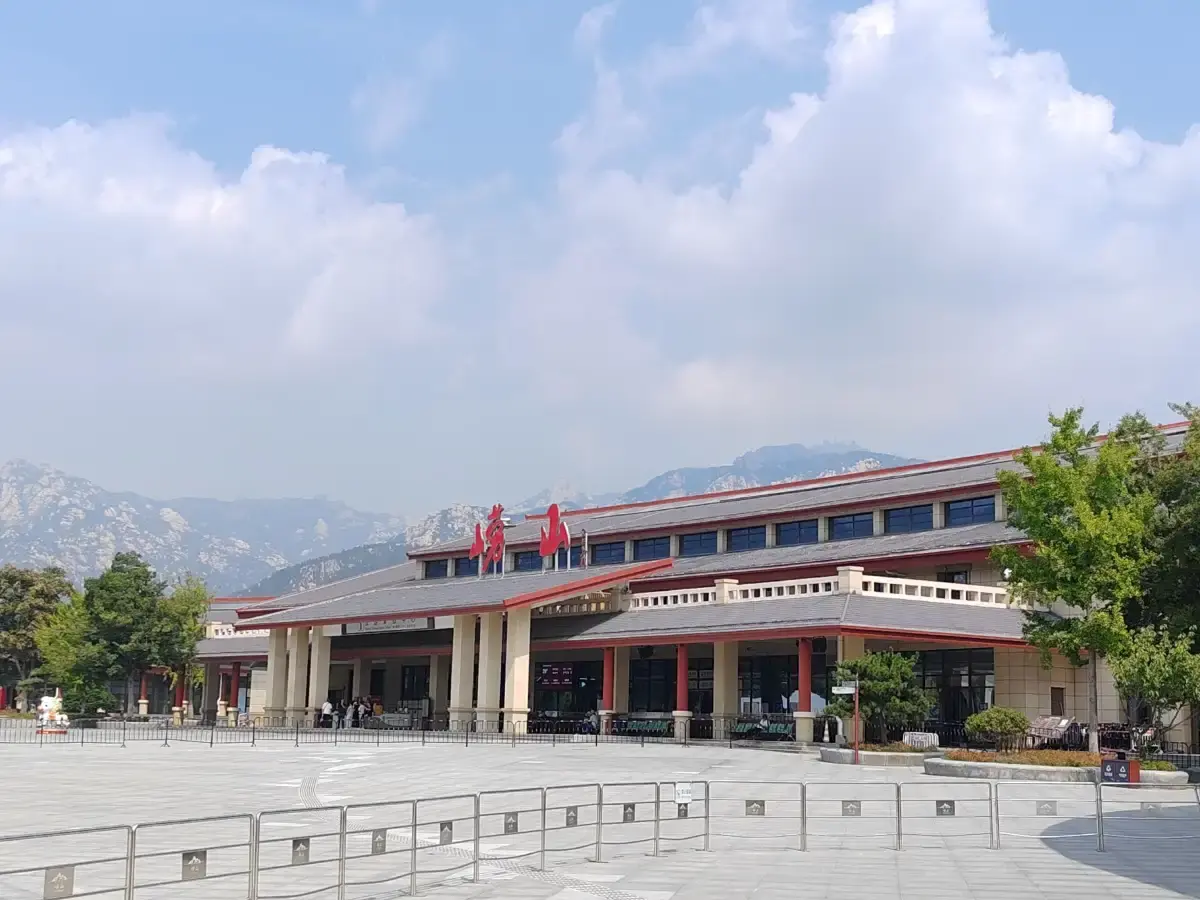
Entradas para Laoshan 2026: precios, rutas y qué pase comprar
Comparativa de todos los tipos de billetes de Laoshan para 2026: la línea $13,50 de Yangkou, el billete $19,50 de Taiqing, el pase de 3 días…
Leer la guía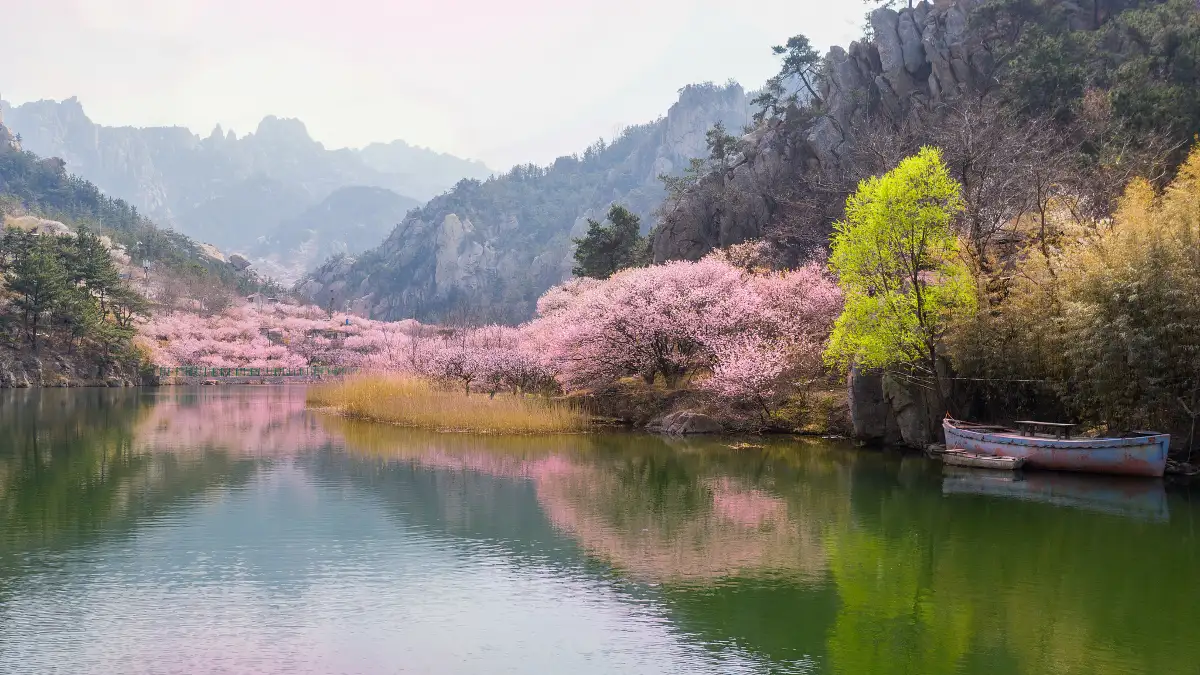
La mejor época para visitar Laoshan: estaciones, amanecer y afluencia de visitantes
Temporada tras temporada, mes tras mes: cuando las terrazas de té resplandecen, cuando las cascadas rugen, cuándo ir en busca del mar…
Leer la guía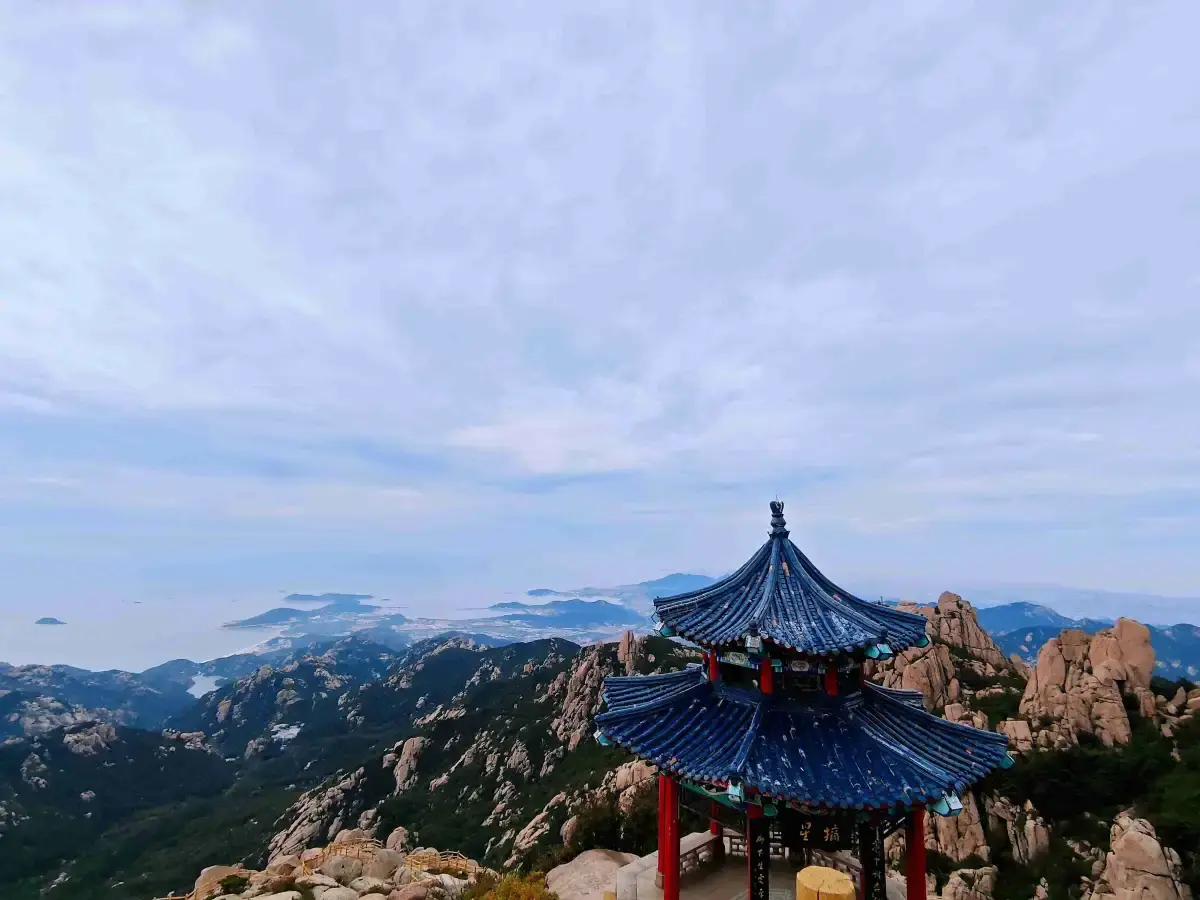
12 lugares de interés que no te puedes perder en el paraje natural de Laoshan
El circuito de la cima de Jufeng, los 2.100 años del Palacio de Taiqing, las dieciocho piscinas de Beijiushui, el complejo de cuevas en los acantilados de Yangkou…
Leer la guía