









Die beste Reisezeit für Laoshan: Jahreszeiten, Sonnenaufgang und Besucherandrang
Saison für Saison, Monat für Monat: wann die Teeplantagen in voller Pracht erstrahlen, wann die Wasserfälle tosen, wann man dem Wolkenmeer nachjagen sollte – und welche Feiertage man meiden sollte.
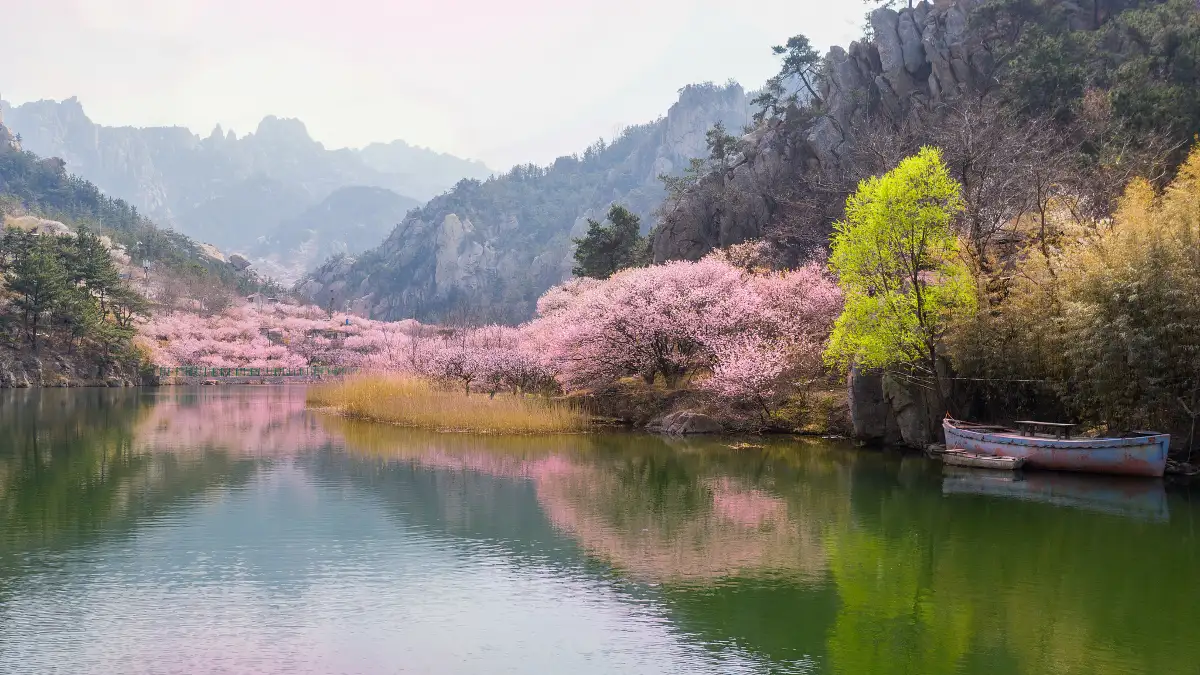
Ask ten Qingdao locals when to climb Laoshan and you will get ten answers — because the mountain has ten good moods. Spring gilds the tea terraces, summer fills the waterfalls, autumn sets the granite on fire with color, and winter empties the staircases. What the postcards do not tell you is how sharply weather, crowds and cableway closures swing your day. This guide breaks the year down season by season, then month by month, and ends with the single best planning trick we know.
Key takeaways
- Overall best window: April–June and September–October — mild temps, clearer skies, fewer school-holiday crowds.
- For waterfalls: July–August, right after rain, Beijiushui is at full voice.
- For sunrise: autumn and winter have the latest sunrise times — no 4 AM alarm.
- Avoid: the first week of October (Golden Week) and August weekends unless you book days ahead.
- Any season: cableways pause in high wind — always keep a walking plan B.
Quick answer: late April to early June is the sweet spot for a first visit — the tea fields are being picked, the coast is clear, and the summer heat has not arrived. Book the Taiqing line ticket and start at 7 AM.
The four seasons on the mountain
Spring (March–May). The valleys wake up early: peach and cherry blossom run through April, and the terraces around Qingshan Fishing Village start their first tea flush of the year. Temperatures sit in the teens, the sea haze burns off by mid-morning, and the light for photography is the year’s most forgiving. This is the season we send first-timers to.
Summer (June–August). Hot and humid downtown, but the mountain holds a private climate — shaded valley paths in Beijiushui run several degrees cooler, and after each rain the eighteen pools roar. The trade-offs: this is peak domestic holiday season, the sun is fierce on the exposed coastal sections, and afternoon thunderstorms occasionally close cableways. Go early, go high, bring water.
Autumn (September–November). Our editors’ favorite. September keeps the summer warmth without the holiday crowds; late October sets the slopes around the reservoirs ablaze in red and gold. Sunrise drifts to a humane 6 AM slot, and the sea of clouds over Jufeng appears most often in the shoulder seasons. Photographers, this is your month.
Winter (December–February). Qingdao’s wind is real, and the mountain wears it first. But clear cold days deliver the crispest visibility of the year — the Yellow Sea glitters, the boulders wear frost rime, and you may share Jufeng’s summit with a dozen people instead of a thousand. Dress in windproof layers; some facilities and cableways reduce hours.
Month-by-month cheat sheet
| Month | Verdict | Why |
|---|---|---|
| March | Good | Quiet trails, blossom starts late month; still cool on the ridges |
| April | Excellent | Blossom + first tea flush + clear skies — the classic first-visit month |
| May | Excellent | Warm, green, tea season peak; book ahead for the May 1 holiday week |
| June | Very good | Long days, valleys lush; humidity builds toward month-end |
| July | Mixed | Waterfalls at full power; heat, crowds and afternoon storms |
| August | Mixed | Same as July; beach-comb Yangkou after your hike |
| September | Excellent | Warm days, cool mornings, thinner crowds after school resumes |
| October | Great* | *Avoid Golden Week (Oct 1–7); the rest of the month is superb |
| November | Good | Autumn color, latest sunrises; wind picks up, bring layers |
| Dec–Feb | For the brave | Emptiest trails, clearest air; cold wind, reduced cableway hours |
Local trick: the first week of October (Golden Week) draws the whole country — reviews describe hour-long ticket queues and full parking. If your trip lands on it, flip your plan: Jufeng at 7 AM or Beijiushui on a weekday, and book the e-ticket several days ahead.
Sunrise & the sea of clouds
Two of Laoshan’s classic twelve scenes — the summit sunrise and the sea of clouds — are weather lotteries you can rig in your favor. Cloud seas form most often when a humid night follows a warm day, which makes the shoulder seasons (April–May, September–October) your best statistical bet; the view from the Jufeng loop walkways, peaks floating on white, is the single most rewarding photograph on the mountain. Sunrise times swing from about 4:45 AM at the June solstice to nearly 7 AM in late October — the autumn slot means a civil alarm and a summit still dusted with morning blue. Remember the logistics: Jufeng is a separate ticket zone with its own bus, and the mountain opens at 7:00 sharp, so a true sunrise climb means an overnight stay in a guesthouse near the northern gates — the Jiushui valley area has several small hotels reviewers praise.
Crowds, holidays & the 7 AM rule
- The 7 AM rule: arrive with the first admissions and you will have Taiqing Palace’s courtyards almost alone; arrive at 10:30 on a weekend and you will queue for the same photograph.
- Peak pressure points: Golden Week (Oct 1–7), Labor Day week (May 1–5), July–August weekends, and sunny Saturday mornings year-round.
- Crowd-flow trick: tour buses run the southern line front-to-back. Walk it back-to-front — start at Yangkou, end at Taiqing — and the crowds move opposite you all day.
- Weekday magic: a Tuesday in September can feel like a private mountain; the same route on a Saturday in August feels like a stadium concourse.
One more reason the early start wins: the scenic area stops selling tickets at 15:30 and closes admission at 16:30, so late starts keep getting squeezed. The full math lives in our tickets guide.
Storm season note: July–August afternoons build thunderstorms fast. If lightning rolls in, leave exposed ridges and summit walkways immediately — the lower valley paths are the safe retreat, and cableways may pause without much notice.
Weather, wind & cableway closures
The mountain’s only reliable adversary is wind. Cableways — the Yangkou chairlift, the Jufeng gondola, the oft-suspended Taiqing line — stop running in high wind and storms, and reviewers mention arriving to find a closed funicular often enough that we treat any cableway-dependent plan as provisional. The pattern is predictable: coastal fronts roll in from the sea, usually with a day of warning. Before a ride-heavy day, a quick call to the ticket hotline (+86-532-96616) settles it. Storm days are not wasted days, though — rain-swollen Beijiushui is arguably better than its sunny self, as long as you stay on the maintained paths.
From our visit: on a blustery October morning the Yangkou cableway had been closed since dawn. We grumbled, laced up, and walked the ridge path instead — two hours later, standing above the Longevity cliff with the entire bay to ourselves, we agreed the closure had given us a better morning than the chairlift would have. Since then our rule is simple: cableway if it runs, gratitude if it does not.
Frequently asked questions
Welcher Monat eignet sich am besten für einen ersten Besuch?
Ende April oder Ende Mai: Teeernte, nach der Blüte, warme, aber nicht heiße Tage und lange Tageslichtstunden. Der Oktober ist fast genauso schön, sobald die Golden Week vorbei ist.
Wann kann ich das Wolkenmeer sehen?
Die besten Chancen haben Sie in der Vor- und Nachsaison – April–Mai und September–Oktober – nach einer feuchten Nacht. Beobachten Sie den Himmel bei Tagesanbruch: Eine Nebelschicht im Tal löst sich um 5:30 Uhr morgens meist in ein Wolkenmeer über Jufeng auf.
Lohnt sich der Winter?
Für Fotografen und Menschen, die die Einsamkeit suchen, auf jeden Fall – die Sichtverhältnisse sind die besten des Jahres. Gelegenheitsbesucher sollten sich auf kalten Küstenwind, verkürzte Öffnungszeiten der Einrichtungen und gelegentliche Betriebsunterbrechungen der Seilbahn einstellen.
How bad is Golden Week really?
Manageable only with discipline: book tickets days ahead, arrive at 7 AM, pick one zone, and consider the day tours that include admission and transfers. Or simply shift the trip one week later.
Does rain cancel a visit?
Light rain upgrades Beijiushui — the pools and cascades come alive. Heavy storms can close cableways and some walkways; that is the day to call the hotline and pivot to the valley or the coastal villages.
Book for your dates
Good dates sell out in peak season
Lock your e-ticket once you know your window — instant confirmation, free cancellation on most dates, any international card.
Then build the plan: routes and zones in the Besucherführer, the 1-day and 2-day itineraries, getting-there details in how to get to Laoshan, and the summit question answered in our hiking guide.
Sources & official references
- Seasonal observations by our editorial team across visits in 2024–2026 (spring tea season, summer waterfalls, autumn color, winter clear days).
- Trip.com — Laoshan Scenic Spot listing and traveler reviews (checked October 2026) for crowd, weather and closure patterns.
- Ticket hotline +86-532-96616 for opening hours (7:00–17:30), ticket deadline (15:30) and last admission (16:30).

Keep reading
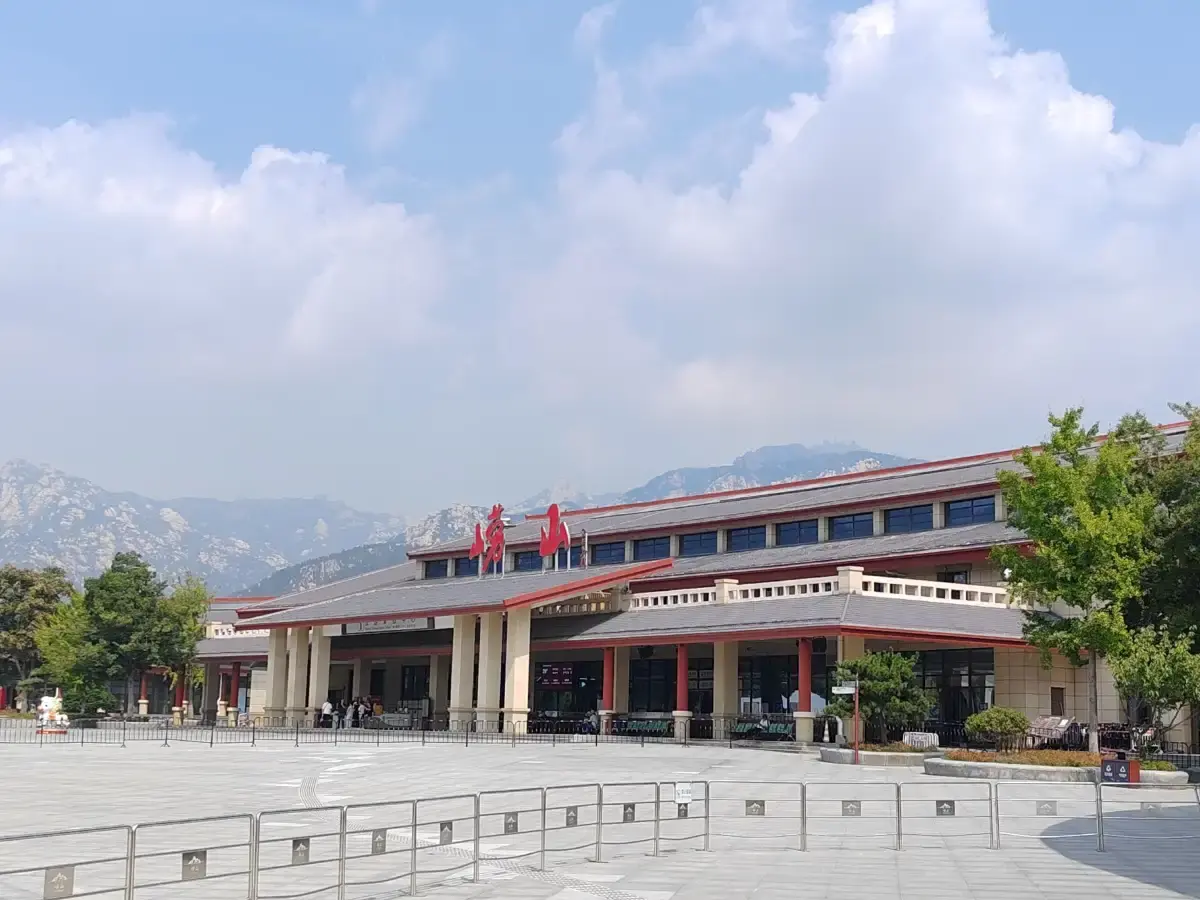
Laoshan-Tickets 2026: Preise, Routen und welche Fahrkarte man kaufen sollte
Alle Laoshan-Fahrkartentypen für 2026 im Vergleich – die $13,50-Yangkou-Linie, die $19,50-Taiqing-Fahrkarte, die 3-Tages-Karte…
Anleitung lesen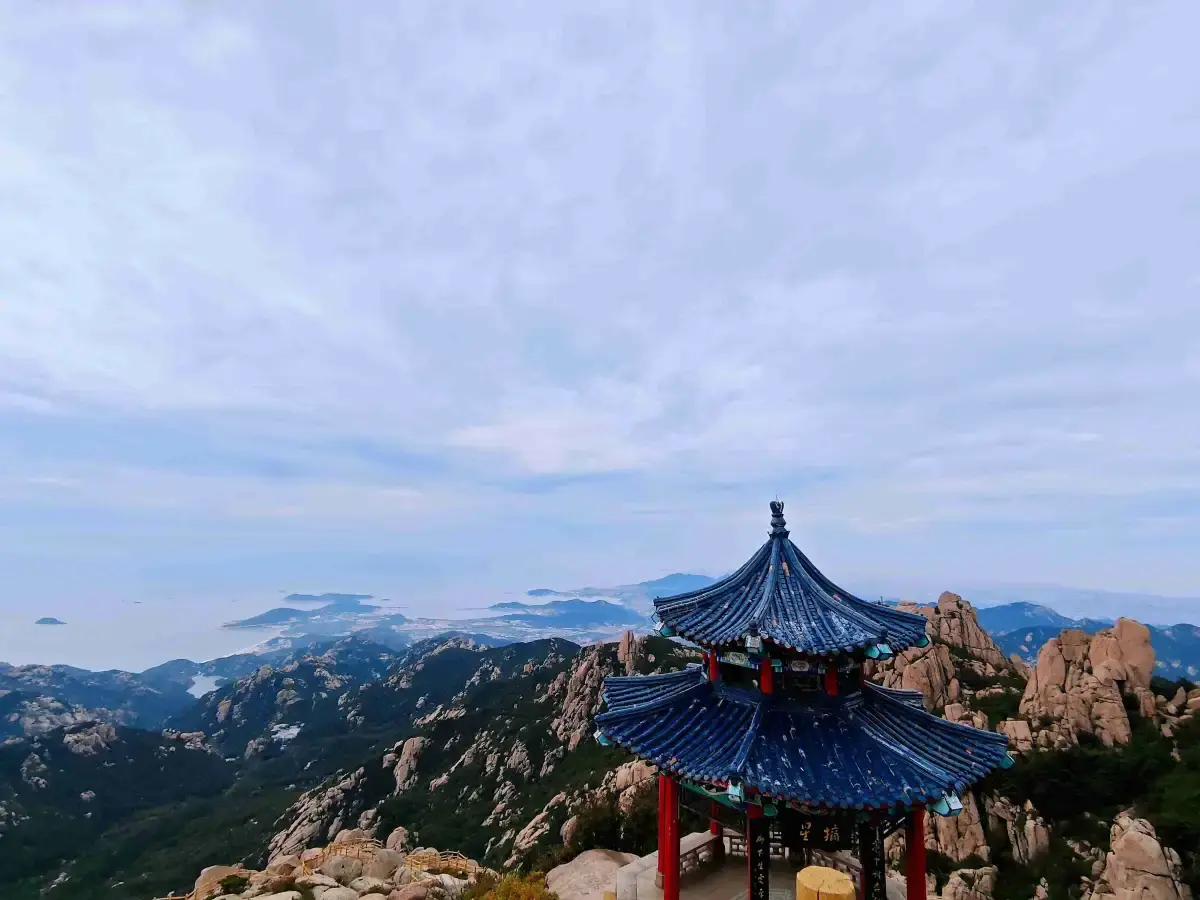
12 Sehenswürdigkeiten im Naturpark Laoshan, die man unbedingt gesehen haben muss
Der Gipfelrundweg von Jufeng, der 2.100 Jahre alte Taiqing-Palast, die achtzehn Teiche von Beijiushui, die Felsenhöhlen von Yangkou …
Anleitung lesen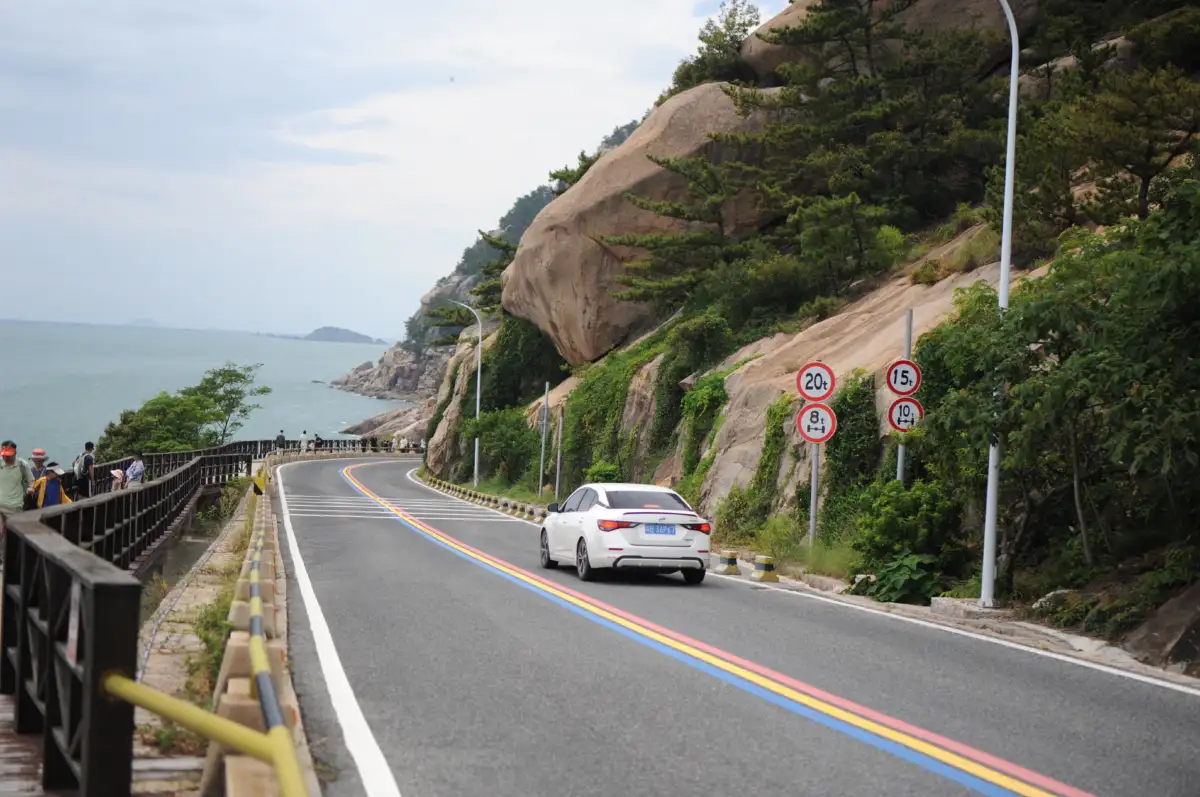
So gelangen Sie von Qingdao nach Laoshan: U-Bahn, Bus, Taxi und Touren
Alle Anfahrtsmöglichkeiten zum Berg: U-Bahn-Linie 4 bis Dahe East, Linie 11 bis Beijiushui, Taxikosten, Tipps für die Anreise vom Flughafen…
Anleitung lesen